

Exploring the Beauty, Versatility, and Modern Applications of Italian Marble Design
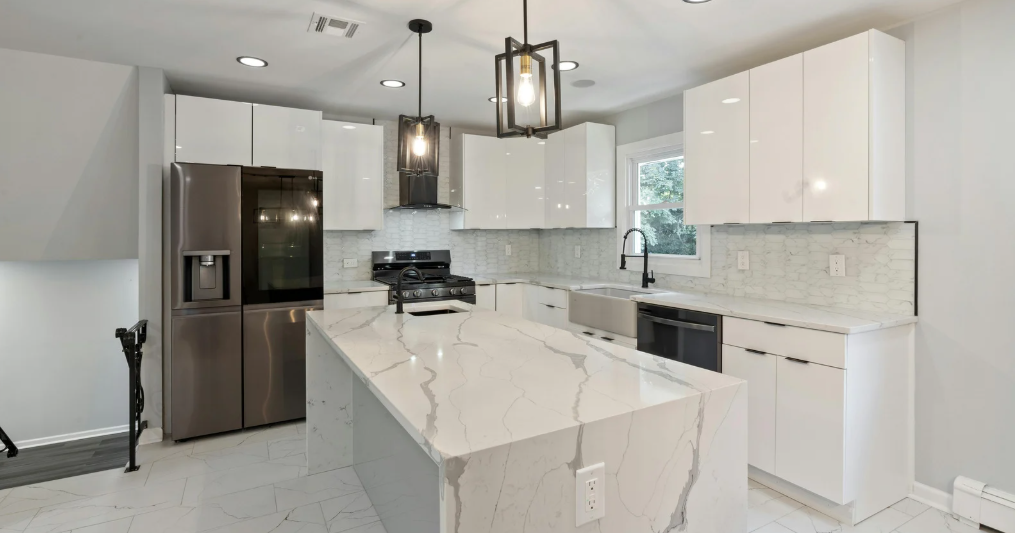
Have you ever walked into a space and felt like you stepped into a dream? The light hits just right, the air feels cooler, and there’s this unmistakable sense of quiet luxury. That, my friend, is often the magic of Italian marble design. It’s not just a trend or a material—it’s a feeling. It’s the quiet statement piece that doesn’t need to shout to be noticed. Whether it’s a floor, a countertop, or an accent wall, Italian marble design transforms ordinary spaces into places you never want to leave.
I still remember the first time I saw Italian marble design up close—in a friend’s home, not a fancy hotel. She had this breathtaking Calacatta marble island in her kitchen, and I swear I stood there with my mouth open. It wasn’t just beautiful—it was alive. The veins danced across the surface like a painting you’d expect to see in an art gallery. It had depth, personality, and this almost spiritual sense of history. That’s the thing about Italian marble design—it carries the past into the present in the most graceful way.
Let’s take a little walk through history. Ancient Rome? Marble everywhere. The Renaissance? Sculptures carved from marble that still move people to tears. The Colosseum, Michelangelo’s David, the floors of age-old cathedrals—all echo the power of Italian marble design. And what’s wild is that the same quarries in Carrara and Calacatta are still active today, supplying that same timeless stone to modern homes and luxury spaces. When you choose Italian marble design, you’re not just picking a finish—you’re participating in history.
What makes Italian marble design so special is its variety. There’s Carrara with its soft, dreamy veining. Calacatta, bold and dramatic, ready to steal the spotlight. Statuario, the marble of emperors and artists, rich with movement and intensity. And let’s not forget Arabescato, Botticino, and Nero Marquina—each with its own unique flair. No two slabs are the same. Every piece of Italian marble design is like a fingerprint of the Earth, formed over millions of years. It’s impossible to replicate that kind of authenticity.
In modern interior design, Italian marble design is having a serious moment. Minimalist homes, sleek office spaces, luxury hotel suites—they all crave that clean, polished look. And Italian marble design delivers. A white marble floor can make a room feel twice as big. A marble bathroom? Spa goals. I’ve even seen Italian marble design used in walk-in closets for a high-end boutique feel. And because it reflects light so well, it brings this soft glow that artificial materials just can’t match.
What really sets Italian marble design apart, though, is its uniqueness. Mass-produced tiles can’t compete with the organic veining and natural character of marble. Designers love playing with techniques like bookmatching—where the veins on two slabs mirror each other to create a butterfly effect. It’s like having a giant piece of natural art built into your home. And trust me, guests notice.
But it’s not all about looks. Italian marble design is built to last. With the right care, marble can hold its beauty for decades—sometimes even centuries. That’s why you’ll still see marble from the Roman Empire standing tall today. Sure, it needs some TLC—sealing, gentle cleaning, avoiding harsh chemicals—but it’s a small price to pay for something that ages like fine wine. That’s why people don’t just buy Italian marble design—they invest in it.
And let’s talk sustainability for a second. In a world that’s (finally) thinking more about the environment, Italian marble design holds its own. It’s a natural material, responsibly quarried, and surprisingly eco-friendly when compared to synthetic alternatives. Plus, it’s recyclable and biodegradable. Modern quarrying practices have become more efficient and conscious, making Italian marble design a choice you can feel good about.
There’s also this cultural cachet that comes with Italian marble design. It’s not just for kitchens and bathrooms. High-end retailers, luxury hotels, five-star restaurants—they all use marble to send a message. Walk into any flagship store on Rodeo Drive or Fifth Avenue, and you’ll probably be greeted by a sleek marble counter or statement wall. The message? “We don’t just sell luxury—we live it.” That’s the power of Italian marble design—it says everything without saying a word.
Now, let’s address the obvious: the price tag. Yes, Italian marble design can be pricey. But it’s like buying a timeless leather jacket or a handcrafted watch. You’re not just paying for materials; you’re paying for artistry, durability, and prestige. The good news is, you don’t have to go all-in. Designers often use Italian marble design as an accent—just enough to elevate a space without breaking the bank. A single marble wall, countertop, or coffee table can completely change the energy of a room.
And if you’re the kind of person who loves to stay ahead of trends, you’ll be happy to know that Italian marble design is constantly evolving. We’re seeing it combined with metals, woods, and even colored resins to create bold, contemporary looks. Thanks to modern technology, you can now get thinner slabs, modular cuts, and new finishes that open up all kinds of creative possibilities. But even as it adapts, Italian marble design stays true to its roots—elegant, authentic, and always in style.
Ultimately, Italian marble is more than just a building material—it’s an experience. It’s waking up in a sunlit bedroom with a marble windowsill catching the morning light. It’s preparing dinner on a countertop that looks like something out of a design magazine. It’s walking barefoot across a floor that feels cool, clean, and undeniably luxurious. Every interaction with Italian marble design reminds you that beauty and function can exist in perfect harmony.
So whether you’re renovating a home, designing a new space, or simply dreaming about the future, Italian marble design deserves a place on your vision board. It blends history and modernity, art and architecture, emotion and elegance. It tells stories without speaking, and it brings life to even the simplest corners of a room. If you want a home—or a business—that feels intentional, elevated, and timeless, Italian marble design isn’t just an option. It’s the option.