

Designing Safe & Stylish Stairs: Rough Tiles vs. Polished Tiles
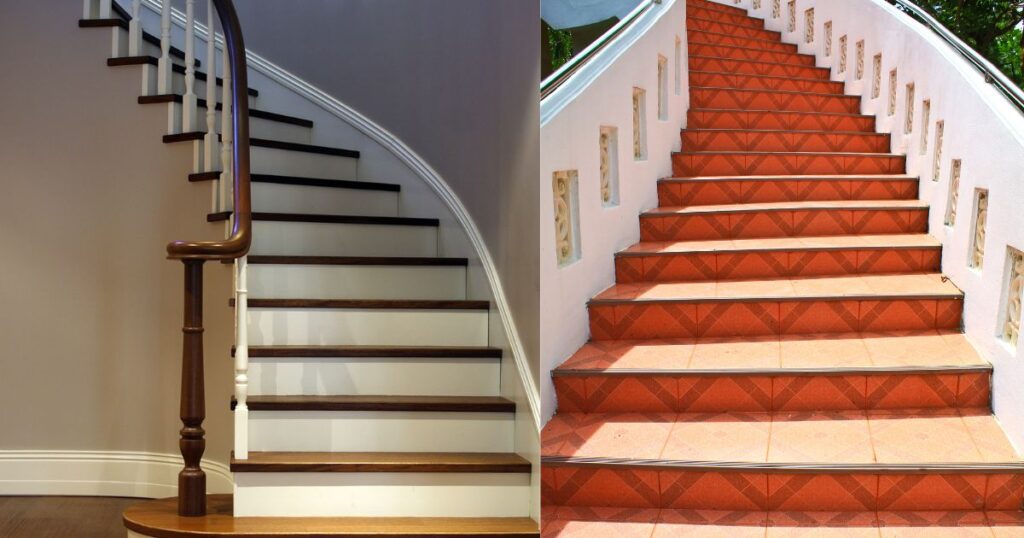
When you’re designing or renovating your home, it’s easy to get caught up in paint colors, furniture, or flooring. But there’s one area that often gets overlooked: the staircase. Stairs connect your space both physically and visually, and choosing the right tile can make a big difference in how your home looks and functions.
One of the biggest decisions you’ll face? Choosing between rough tiles for stairs and polished tiles. While they both have their advantages, they serve very different purposes depending on the setting, usage, and style preferences. If you’re trying to figure out which one works best for your home or project, this guide will help you make a well-informed choice.
Why Stair Tiles Matter More Than You Think
Stairs aren’t just about going up and down. They play a big role in safety, style, and long-term maintenance. Unlike regular flooring, stairs see concentrated pressure in smaller areas, which means wear and tear show up faster here. Plus, they can be dangerous if the surface isn’t slip-resistant—especially in homes with children, elderly residents, or pets.
That’s why selecting the right material—especially the right type of tile—is critical. Most homeowners find themselves choosing between rough tiles for stairs and polished ones, both of which come with their own pros and cons.
What Are Rough Tiles for Stairs?
As the name suggests, rough tiles for stairs have a textured or matte finish. This texture creates natural grip, making them highly slip-resistant. These tiles are especially useful in spaces where safety and durability matter more than shine or gloss.
They come in a variety of designs, from natural stone appearances to contemporary finishes. You’ll often find them in homes with kids or elderly individuals, as well as in commercial buildings where stairs are used constantly throughout the day.
Advantages of Rough Tiles for Stairs
1. Slip Resistance
The biggest advantage of rough tiles for stairs is their ability to prevent slips. The textured surface creates friction even when the stairs are wet or dusty. This makes them ideal for outdoor staircases, bathrooms, or any place where moisture is common.
2. Durability and Longevity
These tiles are built to last. Because of their textured surface, scratches, scuff marks, and general wear and tear are less noticeable. This makes rough tiles for stairs a top choice in high-traffic areas or homes with lots of movement.
3. Versatile Aesthetics
Contrary to popular belief, rough tiles don’t look boring or industrial. They offer a natural, understated charm that suits various styles—whether it’s a modern minimalist home or a rustic farmhouse. You can find them in stone-like finishes, matte ceramics, or even industrial looks that match contemporary themes.
4. Low Maintenance
The slightly coarse surface of rough tiles for stairs hides dust and stains better than polished tiles. You don’t have to clean them constantly to keep them looking good. A regular sweep and occasional mop will usually do the trick.
Disadvantages of Rough Tiles for Stairs
While they offer many benefits, there are a few things to keep in mind before committing to rough tiles for stairs:
- Harder to Clean: Because of their texture, dirt and grime can sometimes get trapped in the grooves. You may need a stiff brush or pressure cleaner to give them a deep clean now and then.
- Less Light Reflection: If your staircase is in a dark corner of the house, rough tiles won’t help reflect light the way polished tiles do. This might make the space look dimmer than it actually is.
- Limited Luxury Appeal: If you’re aiming for a sleek, high-end appearance, rough tiles for stairs may not offer the glossy finish you’re after.
What Are Polished Tiles?
Polished tiles are smooth, glossy tiles with a mirror-like finish. They’re often used in luxury interiors because of their refined, elegant look. These tiles reflect light well, which can make a space look brighter and larger.
However, when used on stairs, they come with some serious safety concerns. Their shiny finish can become slippery, especially when wet or dusty.
Advantages of Polished Tiles
1. Elegant Appearance
Polished tiles offer a high-end, glossy look that’s hard to beat. They’re perfect for formal living rooms, indoor staircases, and places where design is a top priority.
2. Easy to Clean
Their smooth surface allows you to quickly wipe away spills, dust, or dirt without much effort. This makes them a good option for homeowners who prefer low-maintenance cleaning routines.
3. Brightens the Space
By reflecting natural and artificial light, polished tiles can make your stair area look brighter and more open—ideal for darker homes or compact spaces.
Disadvantages of Polished Tiles
- Slippery Surface: Perhaps the biggest drawback. On stairs, polished tiles can be hazardous. One wrong step—especially in socks or wet shoes—and you could be looking at a serious accident.
- Visible Scratches: The smooth finish is quick to show scratches, chips, or dirt. High heels or moving furniture can damage them more easily compared to rough tiles for stairs.
- Not for Outdoor Use: Rain, dust, or mud can make polished tiles on outdoor stairs extremely dangerous. They’re best kept inside in low-traffic areas.
Rough Tiles for Stairs vs. Polished Tiles: Quick Comparison
| Feature | Rough Tiles for Stairs | Polished Tiles |
| Safety | Excellent grip even when wet | Slippery, riskier |
| Aesthetic | Natural, textured, earthy | Glossy, refined |
| Durability | Resistant to wear and tear | Prone to scratches |
| Maintenance | Hides dust and stains | Easy to wipe but shows wear |
| Best for | Outdoor stairs, busy homes | Indoor, decorative stairs |
Where Should You Use Rough Tiles?
- Outdoor Staircases: Their slip-resistance makes them ideal for steps exposed to rain or moisture.
- Family Homes: If you have elderly family members, kids, or pets, safety becomes non-negotiable.
- Commercial Areas: Places like schools, malls, or offices benefit from the durability of rough tiles for stairs.
- Near Water Zones: Poolside steps, garden paths, and balconies are perfect places for rough tiles.
Where Are Polished Tiles a Better Fit?
- Luxury Interiors: Think grand staircases in upscale homes or boutique hotels.
- Low-Use Stairs: Guest rooms or decorative steps that aren’t used daily.
- Corporate Offices: Areas that prioritize appearance over functionality, like boardrooms or front lobbies.
How to Decide What’s Best for You
When choosing between rough tiles for stairs and polished ones, ask yourself a few questions:
- Is safety your top priority?
- Will the stairs be used frequently?
- Are you more focused on appearance or durability?
- Will the stairs be exposed to water or dirt often?
If you answered “yes” to safety and durability, then rough tiles for stairs are the better fit. If your goal is to achieve a luxurious interior design and the stairs won’t be used much, polished tiles may work.
Some homeowners even combine both styles—using rough tiles for stairs outside or in high-traffic areas, and polished tiles indoors in places that are more decorative than functional.
Maintenance Tips for Both Types
- Sweep regularly to prevent dust buildup.
- For rough tiles for stairs, scrub occasionally with a hard brush.
- Use mild detergents; avoid acid-based cleaners.
- For polished tiles, use microfiber cloths to avoid scratching.
Final Thoughts
Ultimately, both rough tiles for stairs and polished tiles have their place in design. It’s all about where you plan to use them and what matters more to you—safety or style.
For most homes, especially those with kids or elderly members, rough tiles for stairs offer better peace of mind. They’re reliable, long-lasting, and safer in a variety of conditions. Meanwhile, polished tiles add a touch of elegance where appearance takes center stage.
And if you’re looking for a tile that balances beauty with durability, you might also want to explore Indian Marble, known for its timeless appeal and resilience.
So whether you’re designing your dream home or updating a staircase, let your needs lead the way—and don’t overlook the stairs. They deserve just as much attention as the rest of your space.